

Hearing Rehabilitation
Reabilitação Auditiva: o papel dos aparelhos auditivos e implantes cocleares na cognição e bem-estar dos adultos
Como a reabilitação auditiva influencia a cognição e o bem-estar dos adultos.
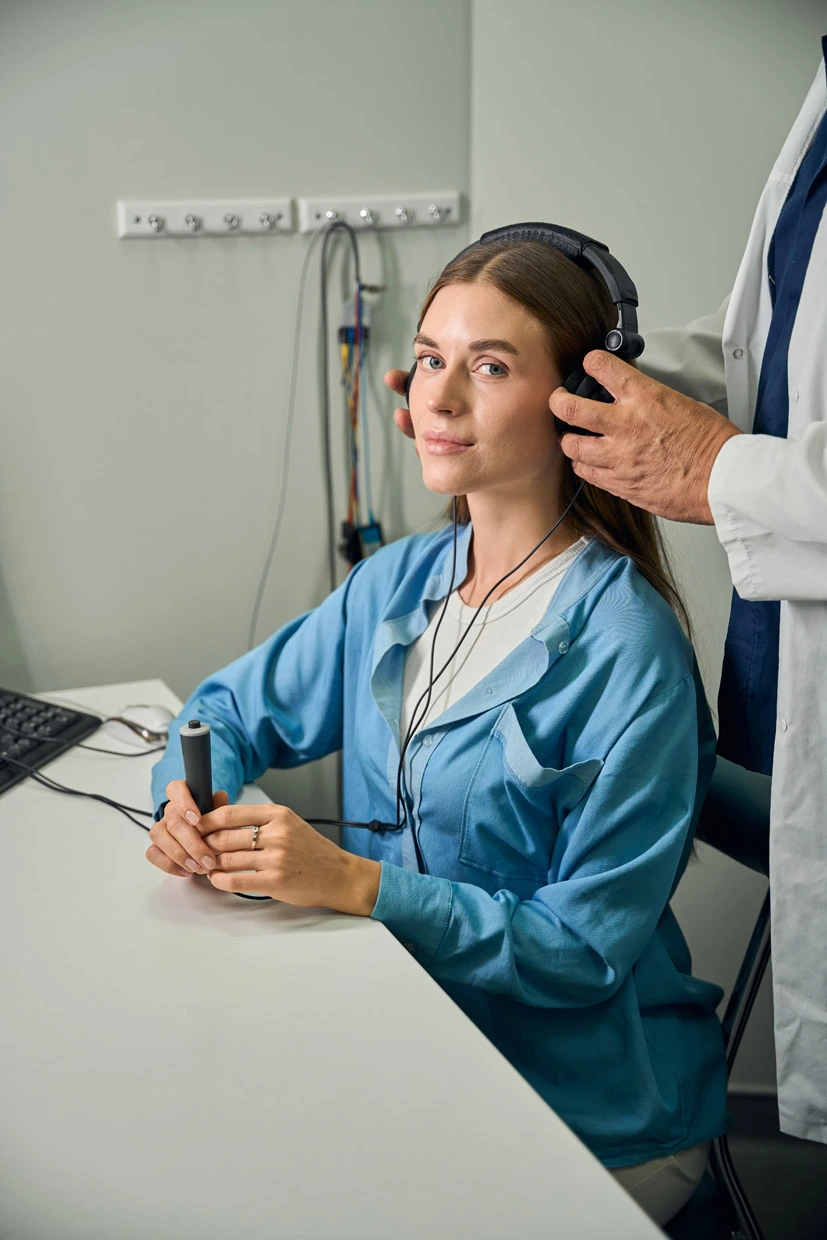
Hearing assessment, hearing aid fitting and follow-up to improve hearing and well-being.
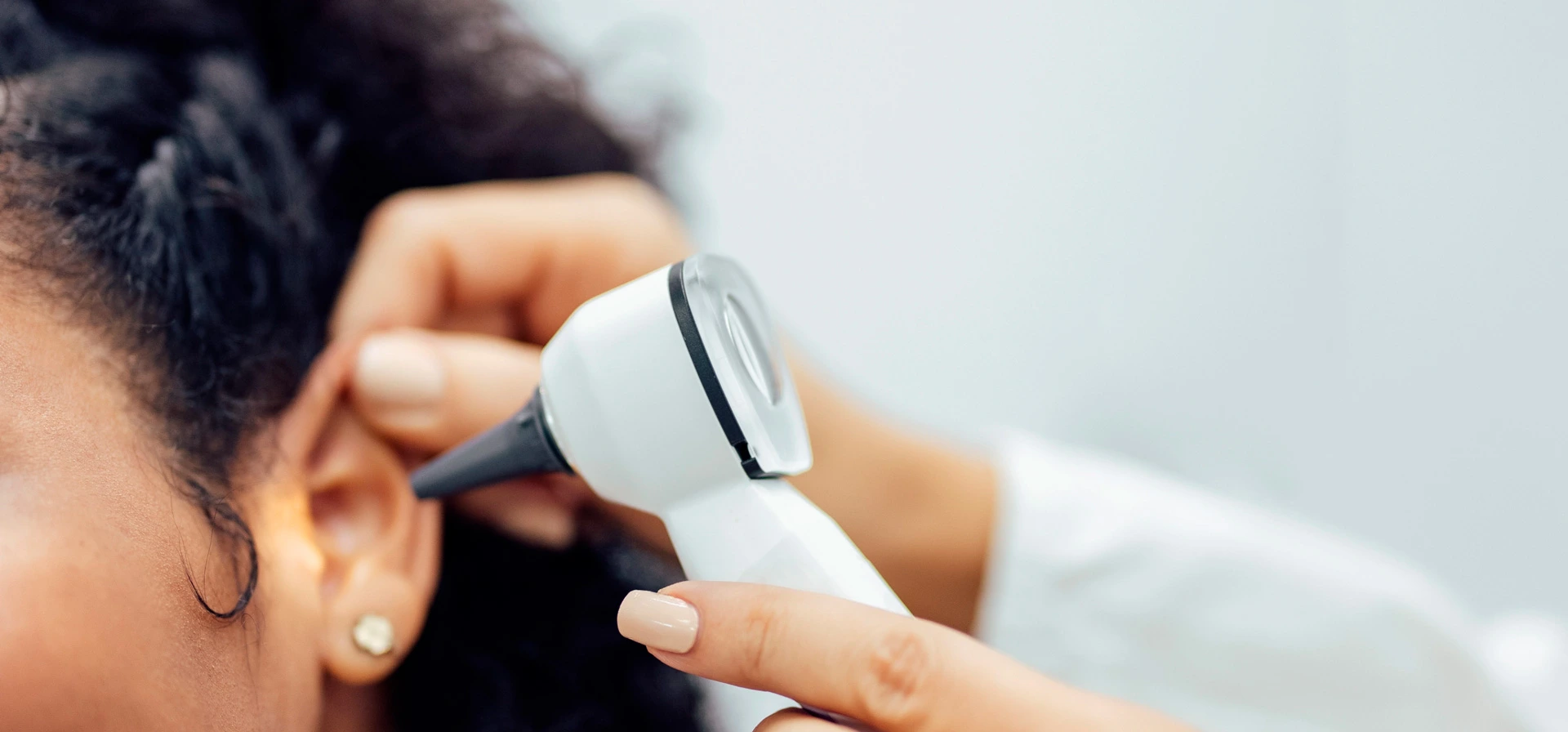
Hearing Rehabilitation at Neaural aims to help people with hearing loss reduce its impact on communication and quality of life.
Some signs of hearing loss are: difficulty understanding conversations, needing sentences repeated, high television volume, difficulty hearing on the phone and social isolation.
Hearing rehabilitation requires multidisciplinary collaboration between several professionals – ENT doctor, Speech Therapist and Audiologist – and Psychology also plays a relevant role. It is based on various therapeutic interventions and may involve hearing aids or cochlear implants. We take pride in offering independent advice focused on the best interest of the person.
The choice depends on the level of hearing loss (mild, moderate, severe or profound) and on the type of device, its technologies and range/brand.
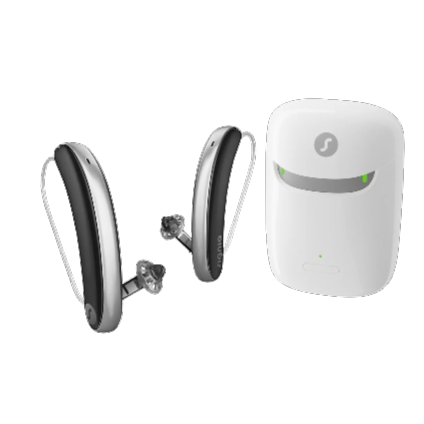
placed behind the ear with the receiver in the ear canal; discreet and functional. Mild, moderate and severe losses.
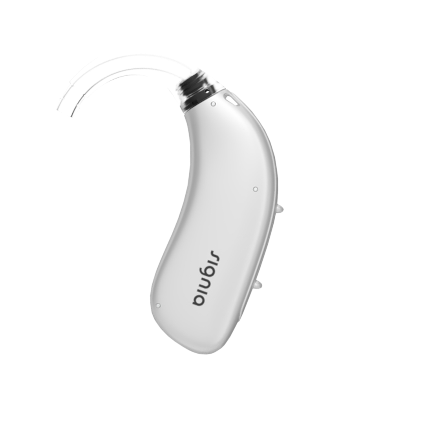
larger and more robust; suitable for all losses, namely severe and profound.
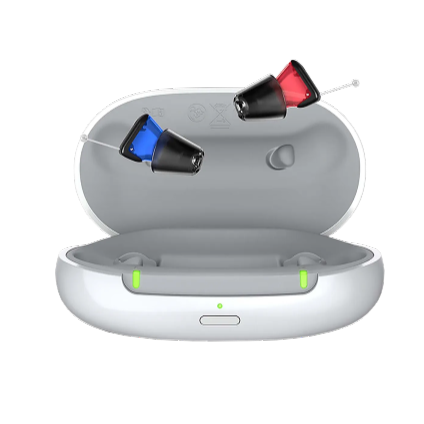
practically invisible. Mild and moderate losses.
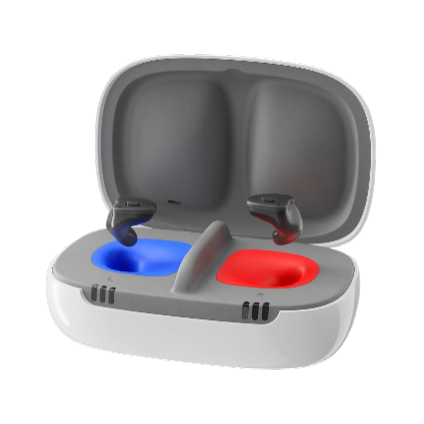
highly functional, only partly visible. Mild, moderate and severe losses.
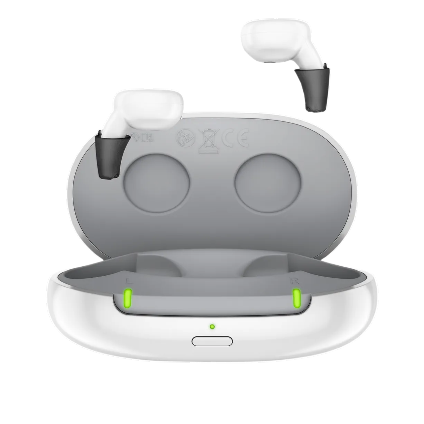
look like ordinary earphones with excellent hearing performance. Mild and moderate losses.
There are also hearing aids designed for specific activities (e.g. sports), and many already offer advanced technological features.
Support for hearing rehabilitation assessment and diagnosis
Hearing aid selection (when applicable)
Therapy and adaptation to hearing aid use (when applicable)
Therapy and adaptation to cochlear implant use (when applicable)
Como a reabilitação auditiva influencia a cognição e o bem-estar dos adultos.